Locations





Vivo Brands’ AquaOmega is launching the AquaOmega One Health Impact Initiative to help reduce the effects of microplastics in its products.
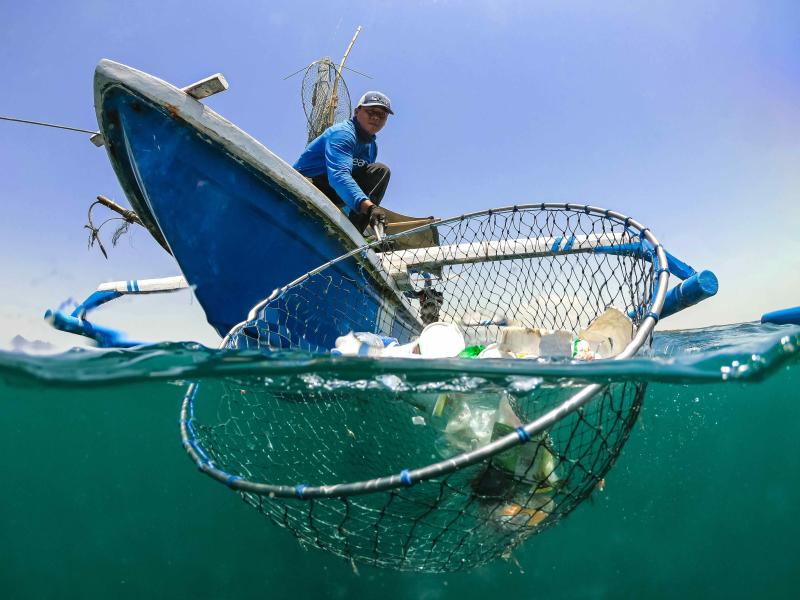
The program was developed in partnership with 4ocean, a Boca Raton, Fla.-based certified B Corp and for-profit company that sells environmentally and socially responsible products. The initiative aims to remove plastic and trash from oceans, rivers and coastlines, reducing the impact of microplastics on the food chain.
Based in Cornwall, Ont., AquaOmega manufactures omega-3 fish oil supplements using anchovies harvested off the coasts of Chile and Peru in the South Pacific Ocean.
Unlike commercial fishing methods, AquaOmega transports the anchovies using underwater pipes. This method, however, does not protect the fish from being exposed to toxins in the water.
Removing microplastics from the ocean
Under the initiative, AquaOmega will fund the removal of one pound of plastic and trash for every full-sized AquaOmega product sold, with a goal of removing 500,000 pounds in the first year. Sales from the company’s products will help fund river interception systems designed to stop plastic before it reaches the ocean, and coastal recovery efforts.
Max Marion, president of AquaOmega, told FOODNX setting up trash interceptors in key areas has an economic impact feeding into the circular economy. His company will take plastics collected during the interception process and resell them to companies which utilize recycled plastics.
“If we can reduce plastic and microplastics enough in the ocean, you have less juvenile fish that are feeding off the microplastics, so you're increasing the survival rate for juvenile fish, therefore you're increasing the fish stocks,” he said, adding the removal of microplastics will benefit the fishing industry economy as a whole.
Though anchovies may seem low on the food chain, Marion explains they are an integral part of the overall ocean ecosystem, acting as food for small fish and birds. Like a canary in the coal mine, the health of anchovies can be a signal of greater issues in the ecosystem.
Impact on the food chain
It’s estimated there are more than 170 trillion microplastics particles in the world’s oceans. This is not only impacting sensitive ecosystems, but also the food chain. A University of Toronto and Ocean Conservancy study revealed 88 per cent of protein food samples tested contained microplastics.
"As a company built on ocean-sourced nutrition, we believe supporting human wellness also means protecting the waters that sustain life," Marion said in a company release.
He said over time, this will also reduce the amount of microplastics consumed by humans. A University of Victoria study revealed Canadians consume between 70,000 and 121,000 particles of microplastics per year.
Marion said, as the project expands to other regions, he hopes to have 60 to 100 trash interceptors set up to pull millions of pounds of plastics from the ocean on an annual basis.
Though the effort may seem daunting, he said the company’s efforts to reduce “the bleed of plastic” through the elimination of garbage patches in the oceans will have an impact. Over the long term he said the partnership allows for clean-up operations at scale with verifiable results.


 Industry Events
 Locations